Kids' AI toys · Talking plush · OEM / ODM · Shenzhen
A toy a child talks to, a toy a parent can check
Most children's AI toys are built forward from the model: pick an LLM, wrap a shell around it. We build backward from two people at once — a child who has to want to talk, and a parent who has to be able to look inside. That means content guardrails on every reply, topics and quiet hours in a parent app, a wake word that runs offline and hears nothing else, and no camera in the product. Then we make the toy lovable: voices tuned for young speakers, tap-to-play story cards, ears that move.
Planning a kids' AI toy? Read the kids' AI toy OEM guide
Two users, one product
A children's AI toy is used by a child and bought by a parent, and the two measure it against different tests. The child measures the first ten seconds: does answering feel like play? The parent measures the first ten days: can I see what it said, limit when it listens, and delete what was stored? Products fail by designing for one test and shipping to the other. So our requirement sheets have two columns from day one — what the child experiences, and what the parent controls — and the hardware gets decided by the second column more often than marketing expects: where the microphone sits, whether the mute switch opens the circuit, why the battery bay takes a screwdriver.
Exclusive Custom Line
Three formats we build
A talking plush for bedtime, an NFC story plush that plays what it is tapped with, and a companion whose face is two LCD eyes. The format decides the microphone, the battery bay and the parental-control model — so it is chosen before the artwork, not after.
Full-stack development
All of it, or just one piece — your call
From the outside shape to the server, all six pieces live in our own team. Hand us the whole product, or pick only the pieces you are missing — say you own the IP and the app, and we build the hardware and firmware.
Industrial design
Characters, plush and collectible forms, CMF — the look that makes people want to hold it.
Mechanical design
Servo, turntable and clamp mechanisms, plush skeletons and battery bays, tooling to pilot run.
Hardware design
Main SoC and mic arrays, motor drivers, NFC / radar / PPG sensing, 4G and Wi-Fi.
Embedded software
Offline wake word, sound-source turning, expression and motion engine, dialogue pipeline, OTA.
App & mini program
iOS and Android apps for global markets, WeChat mini programs for China — setup, content, social play.
Server side
Agent and LLM integration, cloud orchestration of device behaviour, content and user back office.
Dialogue languages
60 languages and regional variants, one board for every market
Voice dialogue is up and running, with speech recognition and synthesis in every language below; the China version adds a wide choice of Mandarin voices and four dialects. Pick a voice per market, or have a brand voice made.
Europe
- English (UK)
- French
- German
- Spanish (Spain)
- Italian
- Portuguese (Portugal)
- Dutch
- Polish
- Russian
- Ukrainian
- Czech
- Slovak
- Hungarian
- Romanian
- Bulgarian
- Greek
- Croatian
- Serbian
- Bosnian
- Slovenian
- Macedonian
- Albanian
- Danish
- Swedish
- Norwegian
- Finnish
- Estonian
- Latvian
- Lithuanian
Americas
- Spanish (Argentina)
- Portuguese (Brazil)
Middle East & Central Asia
- Arabic
- Hebrew
- Persian
- Turkish
- Azerbaijani
- Armenian
- Kazakh
- Uzbek
South Asia
- Hindi
- Bengali
- Urdu
- Gujarati
- Marathi
- Tamil
- Telugu
- Nepali
East & Southeast Asia
- Mandarin Chinese
- Japanese
- Korean
- Mongolian
- Vietnamese
- Thai
- Lao
- Burmese
- Indonesian
- Javanese
- Malay
- Filipino
Africa
- Swahili
China region
- Mandarin (many voices)
- English
- Cantonese
- Sichuanese
- Henan dialect
- Hunan dialect
Hardware already in production
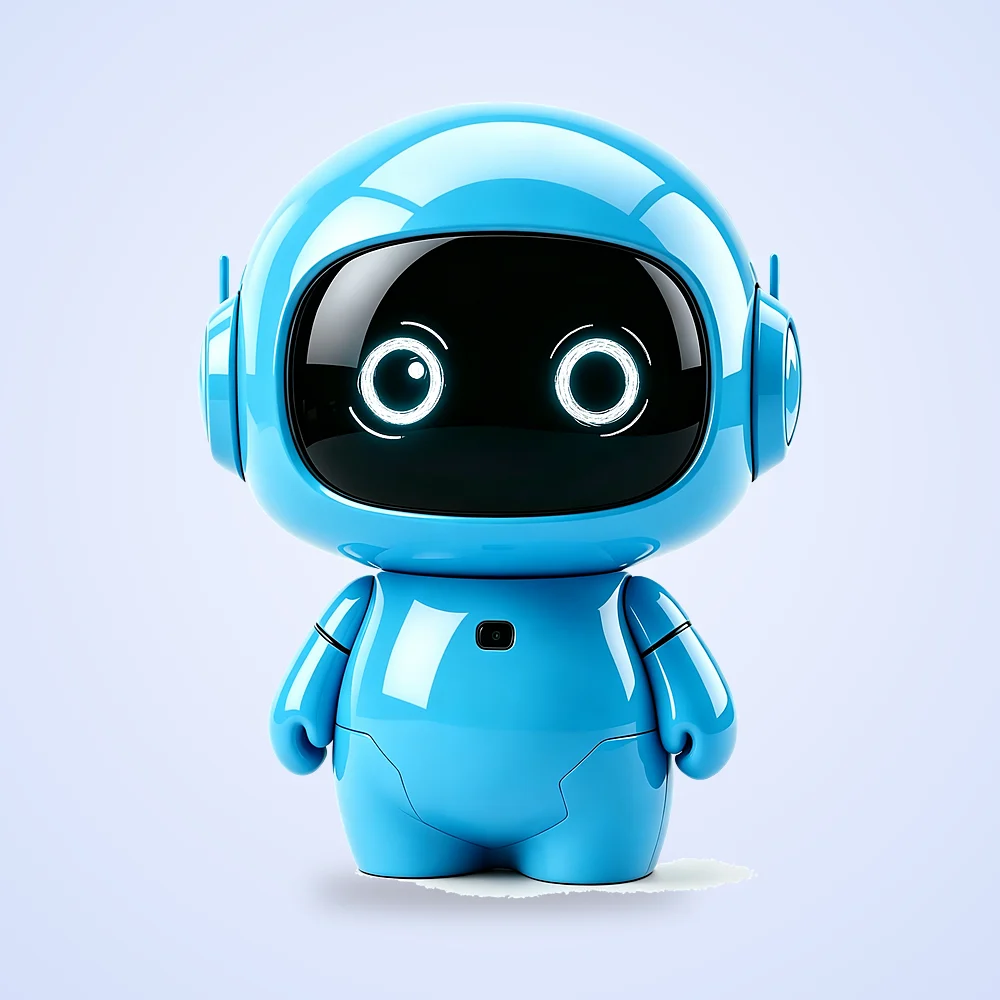
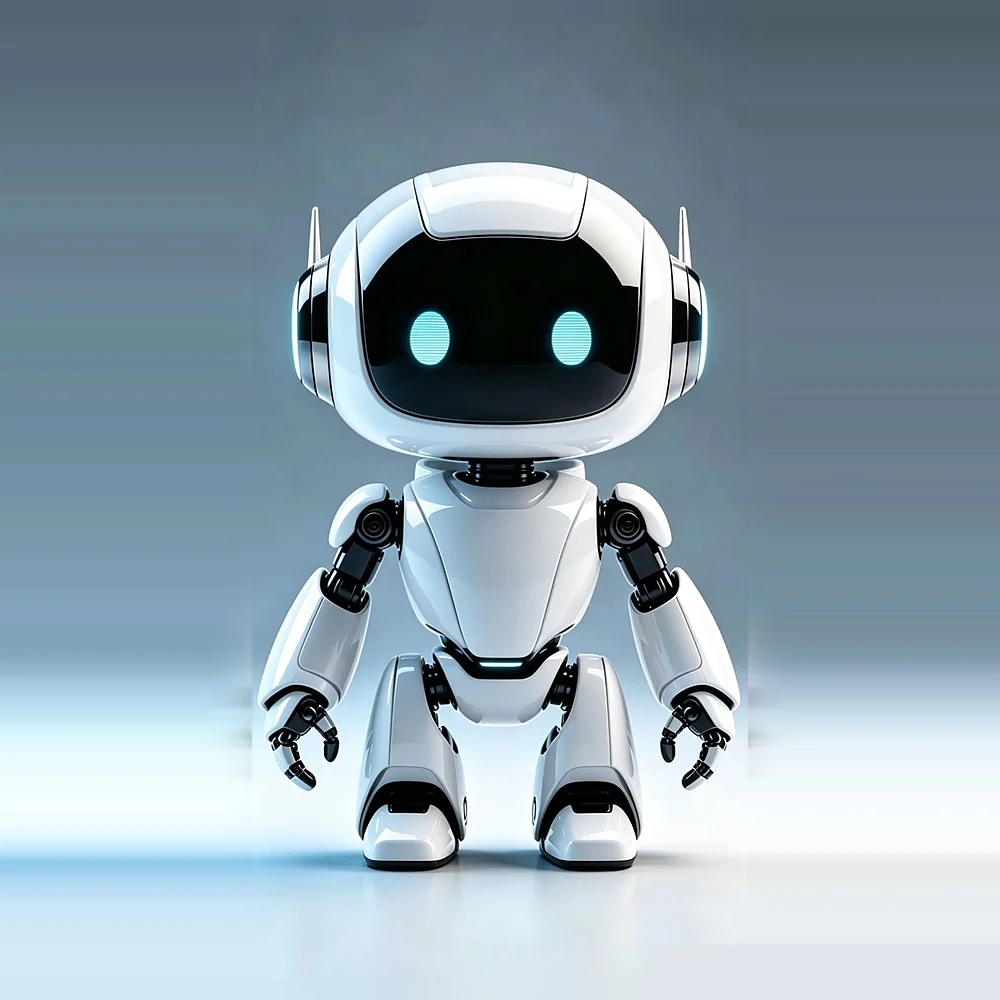
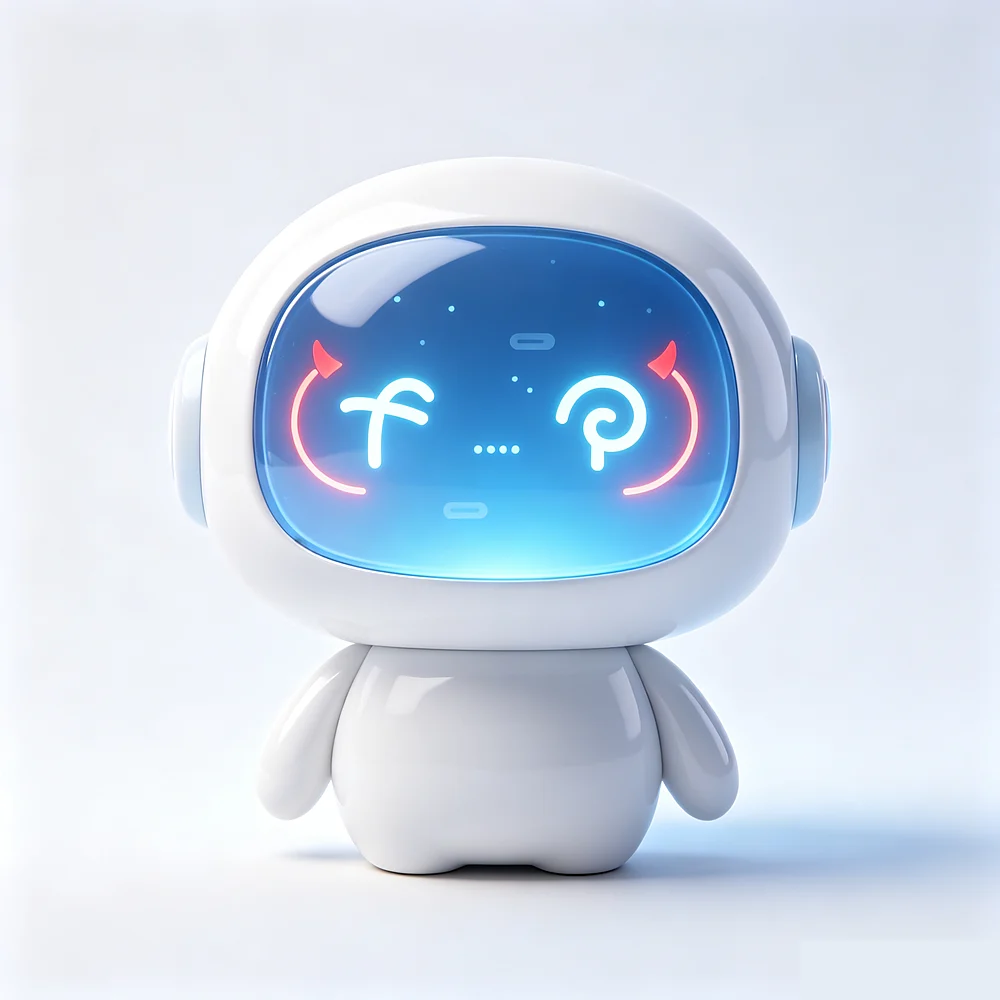
These assemblies are built today, on lines we can name before an order. When a client wants a new character or a new shell, what we reuse is the board, the audio path and the safety work — the parts that are expensive to get wrong twice.
Developed for your brand and channel
Toy brands going AI
A talking plush under your own brand, with the guardrails and the parent app buyers now ask about before the price.
IP and character owners
Your characters as a deck of NFC story cards a child taps against the plush — a new series is a content update, not a new toy.
Education and edutainment
A companion with a face, memory and age-tuned dialogue — engaging without becoming a screen the child stares at.
Distributors going own-brand
A category that sells on trust: we help you state plainly what the toy hears, stores and never does.
Why kids' toy teams work with us
- 01
🛡️ Guardrails are a layer, not a prompt
Topic filters and sensitive-content blocking sit between the model and the speaker, versioned and updatable over the air — so the answer to "what if it says something wrong" is a design, not an apology.
- 02
🎙️ The microphone path is physical
The wake word runs on the device and a mute switch opens the circuit. Before the toy hears its name, audio does not leave the room — and that is a hardware fact, not a setting.
- 03
👶 Voices tuned for children, not defaults
Higher-pitched speakers, shorter utterances, mispronunciation: young voices fail on adult-tuned ASR. We tune recognition and reply pace for the ages your product sells to. Quantity and price quoted per project.
Tell us who it is for
The age band, the markets you sell into, and whether your brand already has a character — with those three we can sketch the form factor, name the parental-control model it implies, and tell you what the certification path will ask of the design.
Send an inquiryBefore you spec a kids' AI toy
- Is Mikooem the maker of Miko?
- No. Mikooem is a product line of Shenzhen Jinghong Innovation Technology, an independent OEM/ODM manufacturer. Miko (miko.ai) is a different company and we are not affiliated with it, endorsed by it or a supplier to it. We build children's AI toys for brands developing their own products.
- Do your plush toys have a camera?
- No. The plush lines have no camera and no interface to add one; for screen-based companions a camera is only ever a client-requested development option, off by default. If your product brief does not need one, the design simply does not include it.
- Can parents control what the toy says and when it listens?
- That is the point of the product. The parent app shows topic history, limits what the toy talks about, sets quiet hours and session length, and can delete a child's data. The wake word runs offline on the device, and a physical mute switch cuts the microphone path entirely.
- How does certification work for a children's product?
- The applicant for certification is the client — you file for your markets and your importer of record. We design toward the relevant toy-safety and radio requirements from the first sketch, support the testing with samples and technical files, and tell you which design decisions affect the outcome before they are frozen.